
HORROR CREATURES: ONIBABA
A Japanese folk-horror

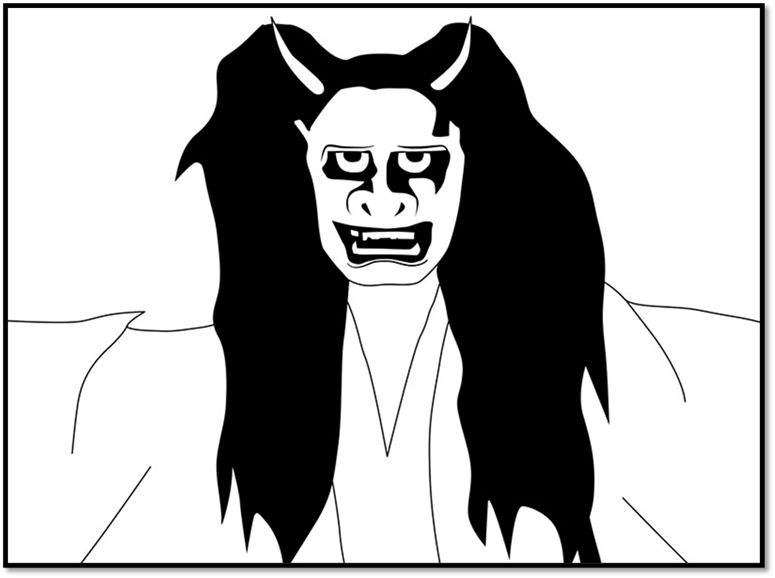
Now that we are sliding out of summer and slipping eerily into autumn, you—if you are anything like me—are already starting to think about the Scary Season. With Halloween peering out from behind the sofa or lurking with intent beneath your bed, I thought it a good time to start a new occasional series on this Substack.
I’ve written about horror-folklore before, this post for example.
So now let’s take a look at the origins of some other popular (is “popular” the right word to use in relation to this subject?) horror creatures. These are characters from folklore and literature that have become intrinsically linked to all things horror. We’ll start with a classic figure from Japanese folklore: the Onibaba.
Origins in Folklore
Onibaba (鬼婆) literally means demon hag or ogre crone. She is a figure of yōkai (supernatural beings), often depicted as an old woman who lures travellers, kills them, and sometimes eats their flesh. This is a recurring theme in ancient folklore, with many similar figures from other cultures: crone-like witches who feast on the young or vulnerable. Gwrach y Rhibyn from Welsh folklore is one example (don’t worry, she’ll appear here at some point too).
The most famous tale about Onibaba places her in Adachigahara, Fukushima Prefecture. Local legend says that a seemingly harmless old woman offered shelter to travellers, only to reveal her true form as a man-eating demon.
Early written references appear in medieval setsuwa (anecdotal literature) such as the Konjaku Monogatari-shū (12th century), a collection of Buddhist-flavoured cautionary tales about sin, deception, and karmic retribution.
Development of the Legend
Over time, Onibaba came to represent both a folkloric warning (don’t trust strangers in lonely places) and a morality tale (greed, envy, or cruelty turning a woman into a demon).
In Buddhist interpretations, she is sometimes portrayed as a once-human woman transformed into a demon through karmic punishment—for example, a wet nurse who killed children to use their livers in medicine. This ties her story to the theme of female suffering and monstrous motherhood, a recurring motif in Japanese (and many other traditional) horror traditions.
Uses in Literature and Drama
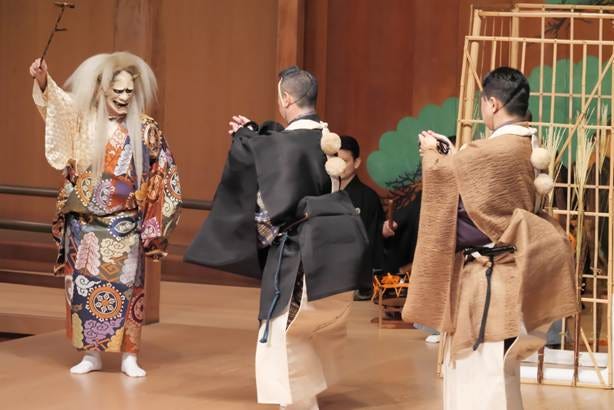
Noh theatre and later kabuki plays—which you may have seen depicted in many Japanese costume dramas and anime— often incorporated versions of Onibaba, typically framing her as a tragic figure: a mother driven to cannibalism or demonhood through desperation, blurring horror with pity.
In Edo-period kaidan (ghost story collections), she was catalogued alongside other yōkai and monstrous women. (I’ll explore the yōkai in more detail at some point too, but for now, think Sadako from Ringu.)
Local sites in Fukushima (e.g. the Onibaba Kubi-zuka, or “demon crone’s mound”) became pilgrimage spots, tying folklore to landscape.
Mergence into Popular Culture
So, that’s a very brief breakdown of the legend’s origins, but what about depictions in popular culture? Seeing as Onibaba is such a deeply ingrained myth in Japanese culture, she has appeared in numerous versions:
Film: Probably most famously is Kaneto Shindō’s 1964 film Onibaba. Which takes the name but uses it more symbolically: two women in a war-torn marshland murder soldiers and steal their possessions, with the “demon mask” element serving as a metaphor for lust, violence, and damnation. (I believe you can see this classic horror on Amazon Prime.)
Manga & Anime: Onibaba appears as a stock character in works like GeGeGe no Kitarō (Shigeru Mizuki’s influential manga on yōkai), often as a grotesque but sometimes pitiable figure.
Horror & Games: She is invoked in modern horror manga (Junji Itō’s work has visual echoes), films, and video games (Nioh, Yo-kai Watch), where she often represents the archetype of the monstrous old woman.
Tourism & Local Identity: Adachigahara still trades on the legend, with statues and local festivals celebrating Onibaba as a folkloric icon.
In Summary
Wrapping that up: Onibaba originated in medieval Japanese folklore as a cautionary tale of the demonic crone of Adachigahara, evolving through Buddhist morality tales, Noh and kabuki drama, and Edo ghost story collections. In modern culture, she persists as both a literal monster in manga, anime, and games, and as a symbolic figure in cinema—an enduring archetype of the dangerous, tragic, or demonised old woman.
I think Onibaba has a very cool, creepy aesthetic and is a great character to incorporate into horror fiction. I’m not aware of any Western comics that have used her, but doing this research has certainly got my creative juices flowing. I can’t wait to explore more of these creatures.
What are your thoughts on Onibaba? Is there anything I have missed out? Let me know in the comments.
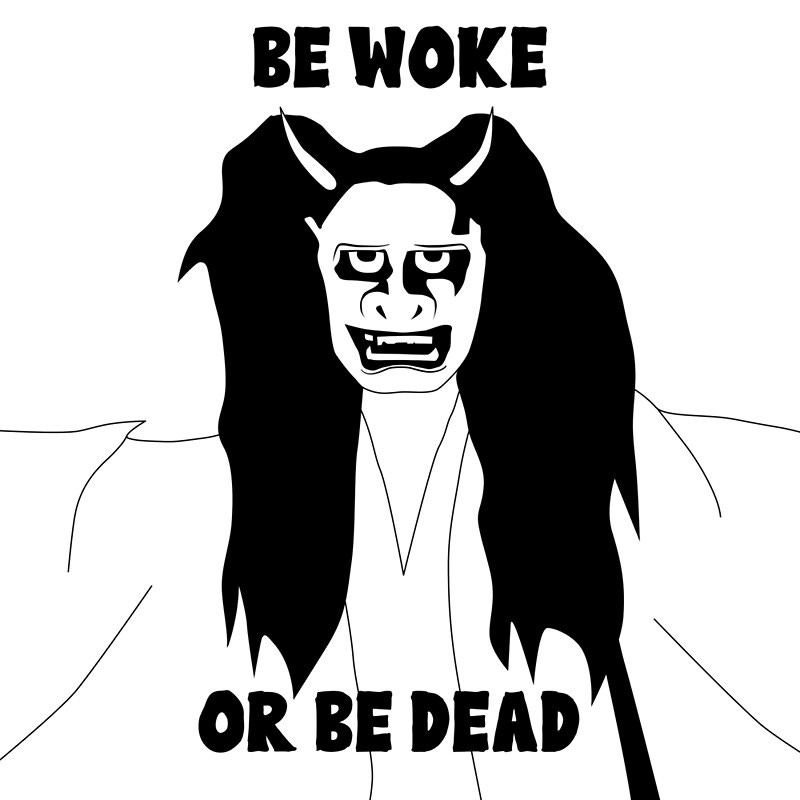
In the meantime, let me just take this opportunity to say that the image here is designed by my Sweet Nightmares partner John Sellings and is one of many designs that will soon be appearing in our online merch store—so keep an eye out for that.
If you found this interesting leave a like and give it a restack, it all helps to build our presence and, if that merch store makes any money we hope to be able to use that to commission more artwork and even produce some original comics or short films of our own.
Stay creepy.
Troy
Nice article!